
Tag Archives: stone

Rare-Ancient-Egyptian-Antiquities-Goddess-Bastet-Cat-made-of-stone-BC-01-qu

Rare Ancient Egyptian Antiquities Goddess Bastet Cat made of stone BC

Rare Ancient Egyptian Antiquities Goddess Bastet Cat made of stone BC

Rare Ancient Egyptian Antiquities Goddess Bastet Cat made of stone BC
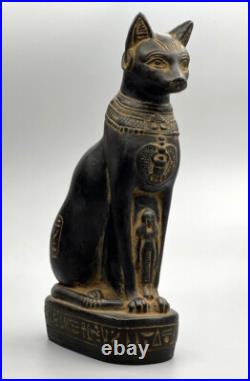
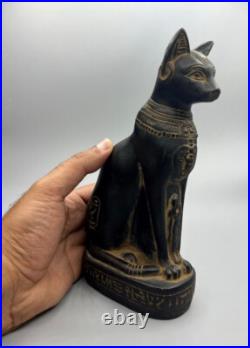
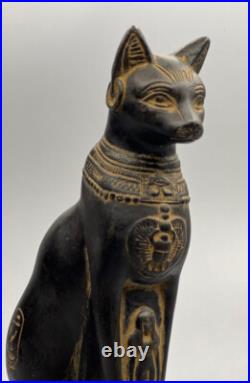
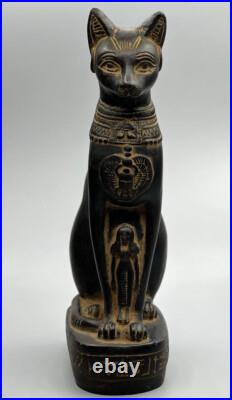
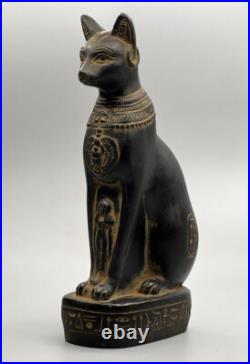
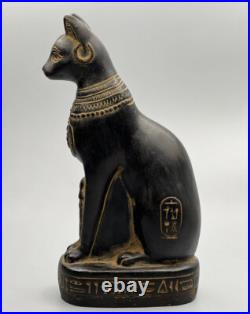
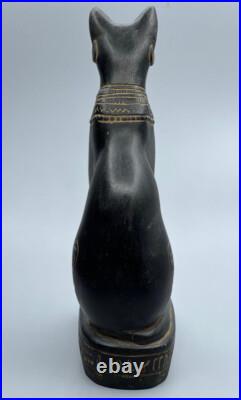
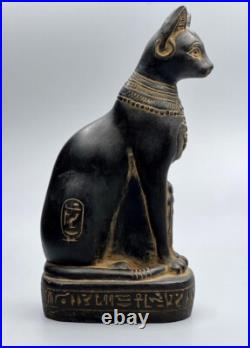
Horus Egyptian Store Rare Ancient Egyptian Antiquities Goddess Bastet Cat made of stone BC Gorgeous cat statue made of Black stone (not one single piece of rock) Cats were known in ancient Egypt as “maw” and had an important place in ancient Egyptian society. Based on recent species-specific DNA comparisons, it is estimated that cats were first domesticated around 10,000 years ago in the Fertile Crescent. Thousands of years later, the religion of the ancient Egyptians became related to animals, including cats. Because of its pest control and ability to kill snakes such as cobras, the domesticated cat has become a symbol of grace and poise. Then, with the passage of time, her divinity became a symbol of protection, fertility, and motherhood. Condition: Good Condition As shown in pictures. Provenance: Stone in the Desert of the Egyptian City of Luxor.
Rare Ancient Egyptian Antiquities Goddess Bastet Cat made of stone BC
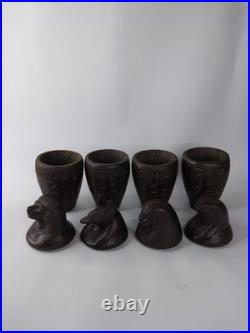
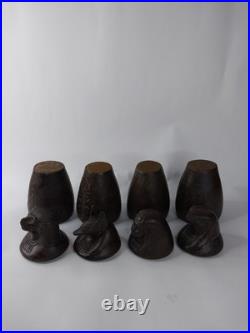
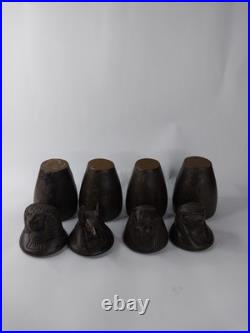
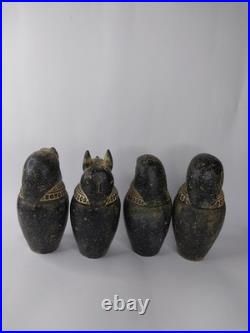
RARE-ANCIENT-EGYPTIAN-ANTIQUITIES-4-Statue-Stone-Canopic-Jars-with-Hieroglyphics-01-jmpa

RARE ANCIENT EGYPTIAN ANTIQUITIES 4 Statue Stone Canopic Jars with Hieroglyphics

RARE ANCIENT EGYPTIAN ANTIQUITIES 4 Statue Stone Canopic Jars with Hieroglyphics

RARE ANCIENT EGYPTIAN ANTIQUITIES 4 Statue Stone Canopic Jars with Hieroglyphics
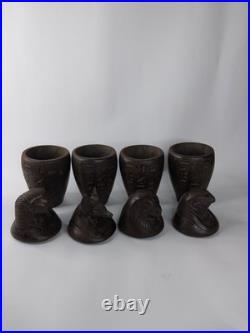
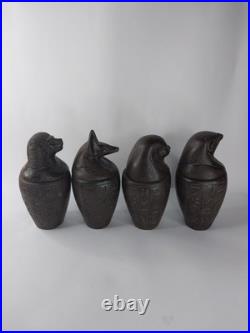
RARE ANCIENT EGYPTIAN ANTIQUITIES 4 Statue Stone Canopic Jars with Hieroglyphics. Bottom Width : 6 cm. Ancient Egyptian Canopic Jars Were Essential During Mummification, Used to Store and Protect the Internal Organs of the Deceased. There Were Four Jars, Each Associated with a Specific Organ and One of the Four Sons of Horus: Imsety (Liver, Human Head), Hapi (Lungs, Baboon Head), Duamutef (Stomach, Jackal Head), and Qebehsenuef (Intestines, Falcon Head). With my best wishes.
RARE ANCIENT EGYPTIAN ANTIQUITIES 4 Statue Stone Canopic Jars with Hieroglyphics
RARE-ANCIENT-EGYPTIAN-ANTIQUE-Statue-Goddess-Bastet-Cat-for-Amber-Stone-Egypt-BC-01-sqar

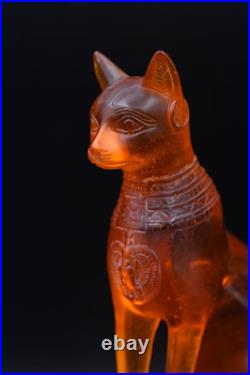
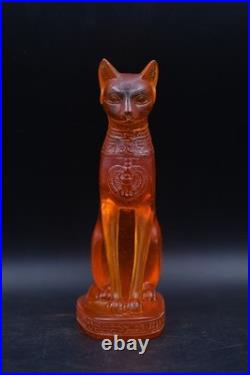
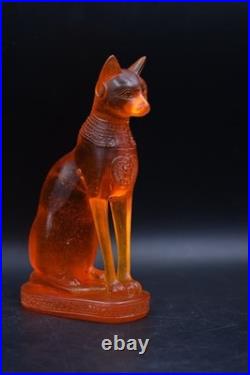
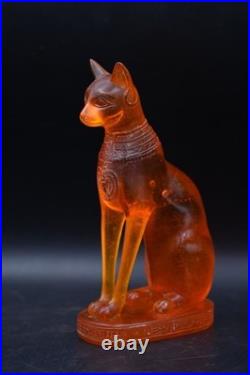
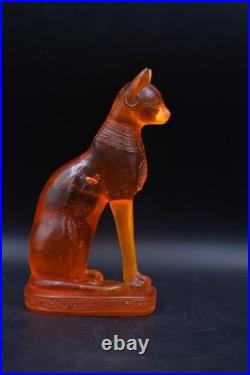
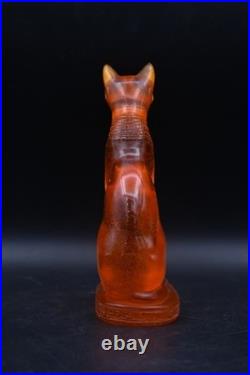
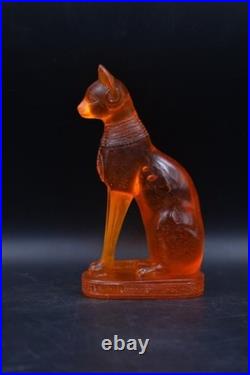
RARE ANCIENT EGYPTIAN ANTIQUE Statue Goddess Bastet Cat for Amber Stone Egypt BC

RARE ANCIENT EGYPTIAN ANTIQUE Statue Goddess Bastet Cat for Amber Stone Egypt BC

RARE ANCIENT EGYPTIAN ANTIQUE Statue Goddess Bastet Cat for Amber Stone Egypt BC
We always strive to have all the elements of all shapes until you always find what you want inside the store so we collect them carefully from several places and collect the special Antique pieces. Please visit the store continuously, you will find everything new and everything you seek to acquire. If you have any question please ask We are her to answer all your question. The Item Made in Egypt with antique style skillfully Similar to Original with Excellent Details. With my best wishes.
RARE ANCIENT EGYPTIAN ANTIQUE Statue Goddess Bastet Cat for Amber Stone Egypt BC
Rare-Ancient-Egyptian-Antique-Handmade-Uraeus-Cobra-Statue-Stone-Pharaonic-BC-01-vug

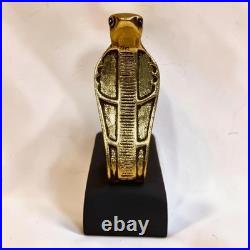
Rare Ancient Egyptian Antique Handmade Uraeus Cobra Statue Stone Pharaonic BC

Rare Ancient Egyptian Antique Handmade Uraeus Cobra Statue Stone Pharaonic BC

Rare Ancient Egyptian Antique Handmade Uraeus Cobra Statue Stone Pharaonic BC
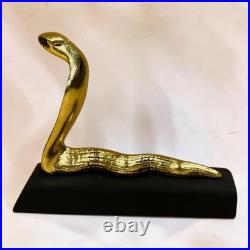
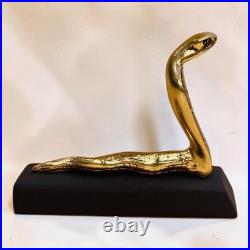
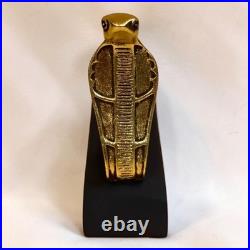
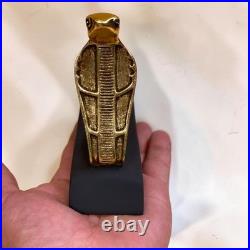
Rare Ancient Egyptian Antique Handmade Uraeus Cobra Statue Stone Pharaonic BC. The cobra had a special place in ancient Egyptian culture, as it was a symbol of power and protection. Here are some key points about the cobra in Egyptian civilization. Symbol of Protection: The cobra was considered a symbol of protection and power, and was associated with deities such as “Isis” and “Horus”. The cobra was considered a protector of kings. Royal Crown: The cobra was often represented on the royal crown, showing the king as the protector of Egypt. It was known as the red crown, which symbolized Upper Egypt. Mythology: In Egyptian mythology, the cobra was considered a symbol of fertility and renewal, and was depicted in many engravings and statues. Venom: The cobra also embodied destructive power, as its venom was considered one of the most dangerous substances. Therefore, it was used in some rituals or as a symbol of threat. Mummification: Sometimes, the cobra was used as part of funerary rituals, where it was bent or drawn on mummies as a symbol of protection in the afterlife. In short, the cobra was an essential part of the cultural and religious symbols of ancient Egypt, reflecting the power of royalty and protection of the country. Size : As Shown At Pictures. That the Item Will Delivered to You As Shown in Pictures Therefore we recommend that you see the picture well and then take your decision and take your responsibility. I check myself each product and sell only the best quality products. In any case, if you are not satisfied with the product, first, please contact me and I will do everything to your?? satisfaction.
Rare Ancient Egyptian Antique Handmade Uraeus Cobra Statue Stone Pharaonic BC
Ancient-Bull-Stamp-Seal-Tablet-Carved-Stone-Pendant-Symbolic-Artifact-Roman-01-nbj

Ancient Bull Stamp Seal Tablet Carved Stone Pendant Symbolic Artifact Roman

Ancient Bull Stamp Seal Tablet Carved Stone Pendant Symbolic Artifact Roman

Ancient Bull Stamp Seal Tablet Carved Stone Pendant Symbolic Artifact Roman
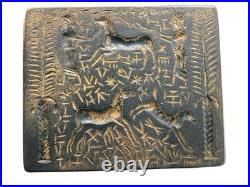
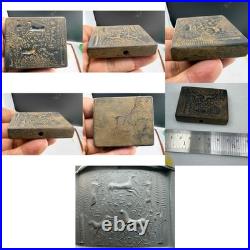
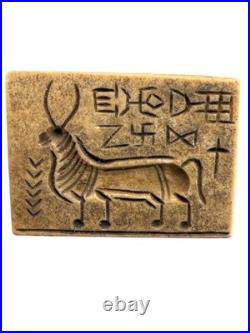
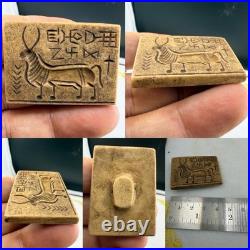
This pendant is a unique and ancient Roman artifact, carved from stone and featuring a bull stamp seal tablet. Handmade in the pre-1400 time period, this symbolic artifact is a piece of history that showcases the craftsmanship and artistry of Roman culture. Perfect for collectors of ancient artifacts, this pendant offers a glimpse into the past and the intricate designs of bygone eras.
Ancient Bull Stamp Seal Tablet Carved Stone Pendant Symbolic Artifact Roman
Wonderful-Antique-Polished-Stone-Specimen-Eggs-Monkey-Stands-Grand-Tour-01-qg

Wonderful Antique Polished Stone Specimen Eggs Monkey Stands Grand Tour

Wonderful Antique Polished Stone Specimen Eggs Monkey Stands Grand Tour

Wonderful Antique Polished Stone Specimen Eggs Monkey Stands Grand Tour
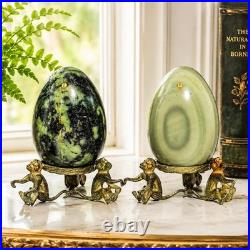
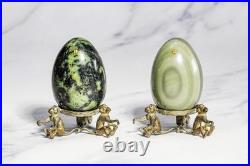
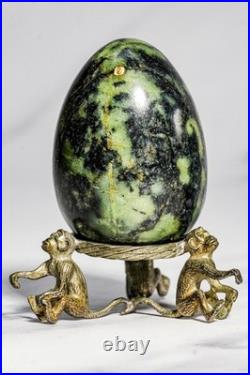
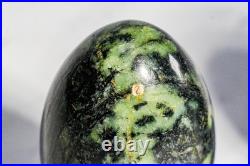
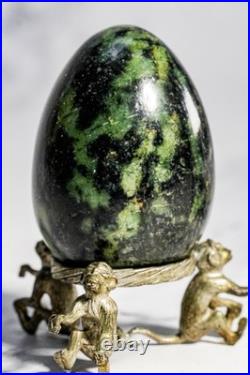
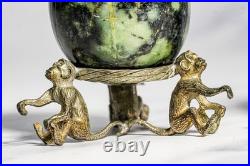
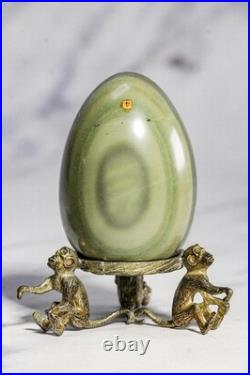
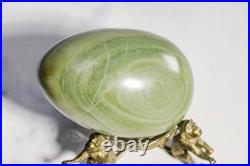
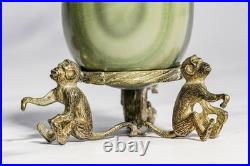
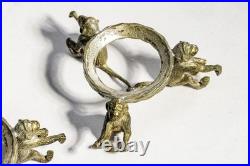
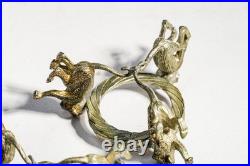
A charming and highly decorative pair of antique polished stone specimen eggs, these attractive natural stone carvings showcase the beauty and variety of ornamental minerals that captivated collectors during the late 19th and early 20th centuries. Richly colored in shades of green, each egg displays its own unique character and patterning, transforming these geological specimens into elegant decorative objects. One egg exhibits a striking mottled pattern of deep green and black with dramatic natural veining and mineral inclusions, while the companion egg features softer olive-green tones with mesmerizing concentric banding and eye-like formations. The contrasting patterns complement one another beautifully, creating an eye-catching display that highlights the diversity found within nature’s artistry. The stone eggs each measure approximately 2.75 inches high, 2 inches wide, and 2 inches deep. The monkey-form stands measure approximately 3 inches wide, 2.5 inches deep, and 1 inch high. Each solid stone egg weighs approximately 182 grams, providing a substantial and luxurious feel in hand. Please review the photos for further condition assessment. Both stones have been expertly hand polished to a smooth, glossy finish that enhances the depth of color and allows the natural patterns to come alive under changing light. The substantial weight and cool feel of the solid stone further emphasize their quality and authenticity. Each egg retains a small affixed inventory number, suggesting they once formed part of a larger specimen collection accompanied by a reference guide identifying the individual stone types. Adding considerable charm are the whimsical white metal stands, each formed with three seated monkeys supporting the egg above. The playful monkey figures provide an appealing contrast to the refined elegance of the polished stones and lend the ensemble a distinctive Grand Tour and cabinet-of-curiosities aesthetic. Together they create a sophisticated yet conversation-starting display suitable for a library, study, desk, bookshelf, or collector’s cabinet. A delightful and unusual pair of antique decorative objects combining natural beauty, fine craftsmanship, and old-world collecting charm-perfect for lovers of minerals, Grand Tour décor, curiosity collections, and distinctive antique accessories. Check out our other antique listings.
Wonderful Antique Polished Stone Specimen Eggs Monkey Stands Grand Tour
Ancient-Egyptian-Antiquities-Stela-Stone-Pharaonic-King-Tutankhamun-Sculpture-01-sp

Ancient Egyptian Antiquities Stela Stone Pharaonic King Tutankhamun Sculpture

Ancient Egyptian Antiquities Stela Stone Pharaonic King Tutankhamun Sculpture

Ancient Egyptian Antiquities Stela Stone Pharaonic King Tutankhamun Sculpture
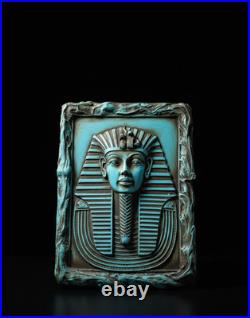
Ancient Egyptian Antiquities Stela Stone Pharaonic King Tutankhamun Sculpture. Ancient Egyptian Artifact-Handcrafted & Full of History. Discover the magic of the Pharaonic civilization with our unique collection of. Each piece reflects the rich art, mythology, and culture of ancient Egypt – perfect for collectors, history lovers, and elegant home decor. Made using traditional techniques or sourced from trusted archaeological origins. Features intricate carvings and symbols from ancient Egyptian art. From gods like Osiris & Anubis to daily tools used by pharaohs – each item tells a story. ” As Show in photo “. Available – save on multiple items! Your satisfaction is our top priority – we’re here to help! Our Commitment to Quality. Every artifact is handpicked to meet high standards of craftsmanship and authenticity.
Ancient Egyptian Antiquities Stela Stone Pharaonic King Tutankhamun Sculpture
Rare-Ancient-Egyptian-Antiquities-Stone-Stela-Goddess-Isis-with-God-Horus-01-zi

Rare Ancient Egyptian Antiquities Stone Stela Goddess Isis with God Horus

Rare Ancient Egyptian Antiquities Stone Stela Goddess Isis with God Horus

Rare Ancient Egyptian Antiquities Stone Stela Goddess Isis with God Horus
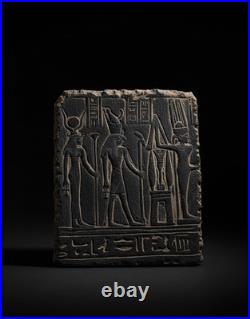
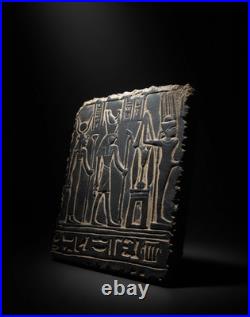
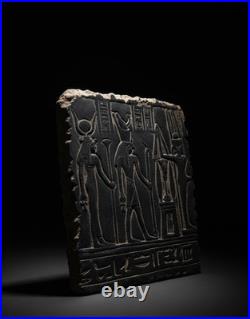
Rare Ancient Egyptian Antiquities Stone Stela Goddess Isis with God Horus. Ancient Egyptian Artifact-Handcrafted & Full of History. Discover the magic of the Pharaonic civilization with our unique collection of. Each piece reflects the rich art, mythology, and culture of ancient Egypt – perfect for collectors, history lovers, and elegant home decor. Made using traditional techniques or sourced from trusted archaeological origins. Features intricate carvings and symbols from ancient Egyptian art. From gods like Osiris & Anubis to daily tools used by pharaohs – each item tells a story. ” As Show in photo “. Available – save on multiple items! Your satisfaction is our top priority – we’re here to help! Our Commitment to Quality. Every artifact is handpicked to meet high standards of craftsmanship and authenticity.
Rare Ancient Egyptian Antiquities Stone Stela Goddess Isis with God Horus
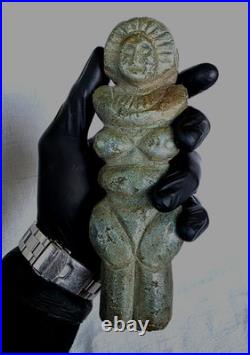
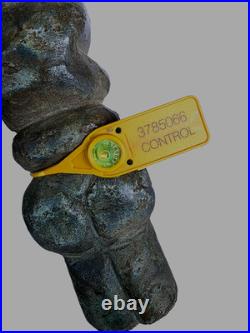
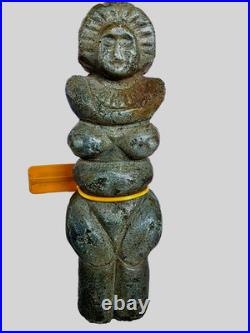
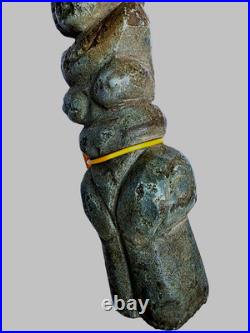
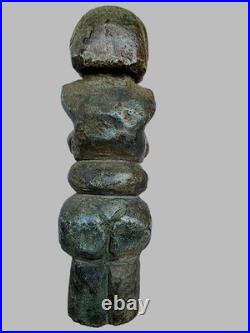
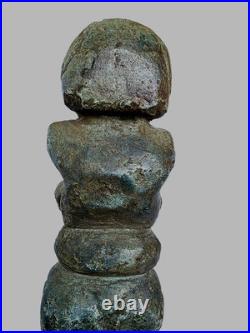
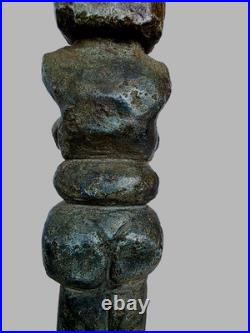
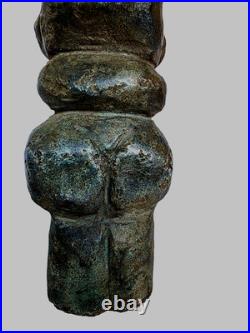
3000-BC-Ancient-Neolithic-Prehistoric-Carved-Stone-Statue-Mother-Goddess-Idol-01-mmmd

3000 BC Ancient Neolithic, Prehistoric Carved Stone Statue Mother Goddess Idol

3000 BC Ancient Neolithic, Prehistoric Carved Stone Statue Mother Goddess Idol

3000 BC Ancient Neolithic, Prehistoric Carved Stone Statue Mother Goddess Idol
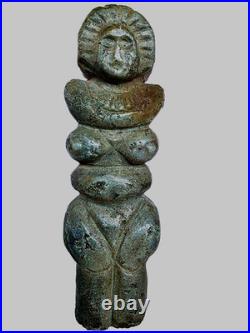
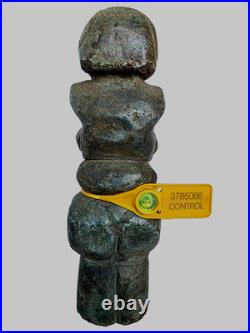
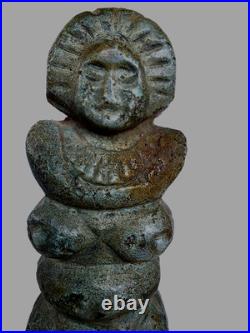
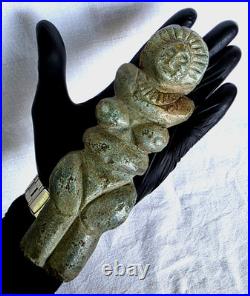
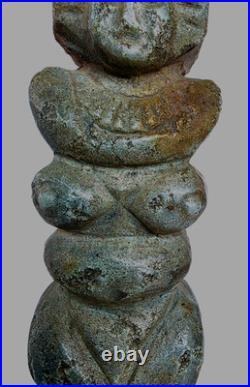
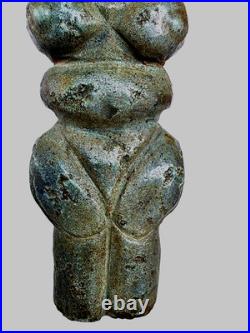
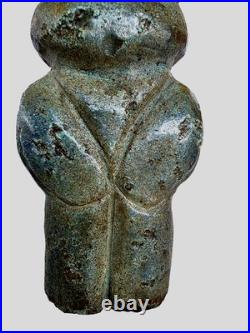
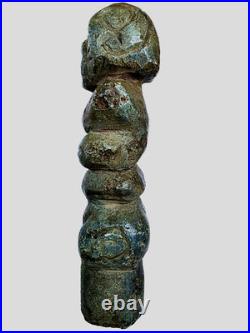
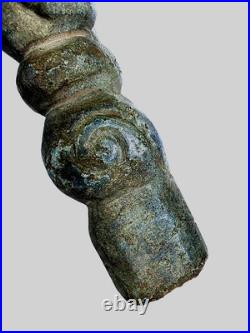
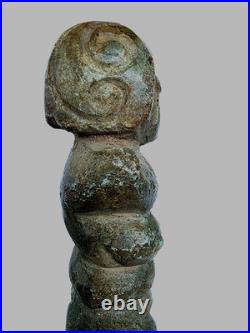
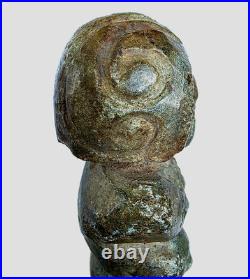
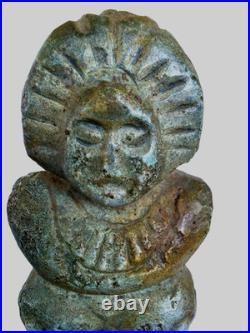
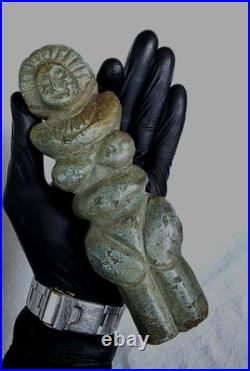
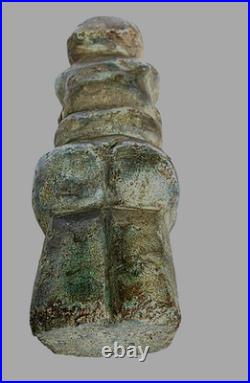
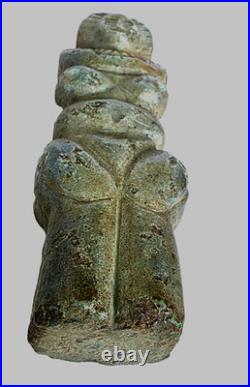
3000 BC Ancient Neolithic, Prehistoric Carved Stone Statue Mother Goddess Idol. Please do not clean under any circumstances with water or a damp cloth (there is a risk of damaging the patina). Store in a dry place and in a room free from moisture. Protect from impacts with hard objects to avoid damaging the surfaces and patina. Clean and polish with a soft DRY cotton cloth. VERY LARGE HEAVY MASSIVE SOLID. The product is a prehistoric carved stone statue of a Mother Goddess idol from the Ancient Neolithic era, dating back to 3000 BC. It comes with a Certificate of Authenticity and has been expertly evaluated for its uniqueness, adding to its value as a rare and authentic collectible from Greece. The intricate craftsmanship and multi-color design make it a striking decorative piece for any collector or enthusiast of ancient artifacts. Expertise of the materials. ONE OF A KIND. Odds are you’ll. Another come up for sale. Below in the listing description, for your convenience and security, is a. How to obtain a COA. Please print the description and photos (Photos of your choice), from the listing if desired (laminate) and apply the printed documents and Photos to the item. Museum grade restored. EXPERT EVALUATION CONTROL NUMBER. Is presented in its unaltered condition, with detailing of the features clearly visible, a relatively smooth surface, and a naturally aged patina, deep covered in molted variations of hues and colours as maintained. If you examine the enlarged photos of this. You’ll see that it has been meticulously crafted with stunning details. I’m confident that you’ll be 100% satisfied with this. Which is not only a beautiful work of art but also great antiquities. Thank you for considering our offerings, and we look forward to serving you!!! At our shop, we take pride in offering a unique collection of Ancient Artifacts of diverse cultures from different eras that are truly. That’s why we believe that whoever possesses one of these special. Can be considered to have true pride. We understand that our customers are discerning collectors who appreciate the value and significance of these rare artifacts. That’s why we make every effort to ensure that our collection is authentic and of the highest quality. We believe that owning one of these. Is not just a matter of acquiring a beautiful object, but also of connecting with a rich cultural tradition that spans centuries. So if you’re looking for a truly unique. To add to your collection – you are in the right place! Our inventory represents time-tested investment quality items with everlasting decorative beauty. We look forward to your business and appreciate any reasonable offers. All of our curated items are vetted and guaranteed authentic and as described. We only deals in original antiques and never reproductions. Prehistory, sometimes referred to as pre-literary history, is the period of human history between the first known use of stone tools by hominins c. 3.3 million years ago and the beginning of recorded history with the invention of writing systems. The use of symbols, marks, and images appears very early among humans, but the earliest known writing systems appeared c. 5,200 years ago. The adoption of writing across the globe has been a slow process, so that the end of prehistory occurred at different times in different places, and the term is less often used in discussing societies where prehistory ended relatively recently. The period when a culture is written about by others, but has not developed its own writing system, is often known as the protohistory of the culture. Human prehistory differs from history not only in terms of its chronology, but in the way it deals with the activities of archaeological cultures rather than named nations or individuals. Restricted to material processes, remains, and artefacts rather than written records, prehistory is anonymous. Because of this, reference terms that prehistorians use, such as “Neanderthal” or “Iron Age”, are modern labels with definitions sometimes subject to debate. In most cases however, and in particular as one goes back further in time, these assigned labels are the only way of distinguishing groups of prehistoric peoples and conveying information about them in the present. By definition, there are no written records from human prehistory, which can only be known from material archaeological and anthropological evidence: prehistoric materials and human remains. These were at first understood by the collection of folklore and by analogy with pre-literate societies observed in modern times. The Neolithic or New Stone Age (from Greek???? néos’new’ and????? Líthos’stone’) is an archaeological period, the final division of the Stone Age in Mesopotamia, Asia, Europe and Africa c. 10,000 BC to c. It saw the Neolithic Revolution, a wide-ranging set of developments that appear to have arisen independently in several parts of the world. This “Neolithic package” included the introduction of farming, domestication of animals, and change from a hunter-gatherer lifestyle to one of settlement. The term’Neolithic’ was coined by John Lubbock in 1865 as a refinement of the three-age system. The Neolithic began about 12,000 years ago, when farming appeared in the Epipalaeolithic Near East and Mesopotamia, and later in other parts of the world. It lasted in the Near East until the transitional period of the Chalcolithic (Copper Age) from about 6,500 years ago (4500 BC), marked by the development of metallurgy, leading up to the Bronze Age and Iron Age. In other places, the Neolithic followed the Mesolithic (Middle Stone Age) and then lasted until later. In Ancient Egypt, the Neolithic lasted until the Protodynastic period, c. In China, it lasted until circa 2000 BC with the rise of the pre-Shang Erlitou culture, as it did in Scandinavia. In southeast Europe agrarian societies first appeared in the 7th millennium BC, attested by one of the earliest farming sites of Europe, discovered in Vashtëmi, southeastern Albania and dating back to 6500 BC. In most of Western Europe in followed over the next two thousand years, but in some parts of Northwest Europe it is much later, lasting just under 3,000 years from c. Anthropomorphic figurines have been found in the Balkans from 6000 BC, and in Central Europe by around 5800 BC (La Hoguette). Among the earliest cultural complexes of this area are the Sesklo culture in Thessaly, which later expanded in the Balkans giving rise to Starcevo-Körös (Cris), Linearbandkeramik, and Vinca. Through a combination of cultural diffusion and migration of peoples, the Neolithic traditions spread west and northwards to reach northwestern Europe by around 4500 BC. The Vinca culture may have created the earliest system of writing, the Vinca signs, though archaeologist Shan Winn believes they most likely represented pictograms and ideograms rather than a truly developed form of writing. The Cucuteni-Trypillian culture built enormous settlements in Romania, Moldova and Ukraine from 5300 to 2300 BC. The megalithic temple complexes of Ggantija on the Mediterranean island of Gozo (in the Maltese archipelago) and of Mnajdra (Malta) are notable for their gigantic Neolithic structures, the oldest of which date back to around 3600 BC. The Hypogeum of Hal-Saflieni, Paola, Malta, is a subterranean structure excavated around 2500 BC; originally a sanctuary, it became a necropolis, the only prehistoric underground temple in the world, and shows a degree of artistry in stone sculpture unique in prehistory to the Maltese islands. After 2500 BC, these islands were depopulated for several decades until the arrival of a new influx of Bronze Age immigrants, a culture that cremated its dead and introduced smaller megalithic structures called dolmens to Malta. In most cases there are small chambers here, with the cover made of a large slab placed on upright stones. They are claimed to belong to a population different from that which built the previous megalithic temples. It is presumed the population arrived from Sicily because of the similarity of Maltese dolmens to some small constructions found there. With some exceptions, population levels rose rapidly at the beginning of the Neolithic until they reached the carrying capacity. This was followed by a population crash of “enormous magnitude” after 5000 BC, with levels remaining low during the next 1,500 years. Populations began to rise after 3500 BC, with further dips and rises occurring between 3000 and 2500 BC but varying in date between regions. Around this time is the Neolithic decline, when populations collapsed across most of Europe, possibly caused by climatic conditions, plague, or mass migration. A mother goddess is a major goddess characterized as a mother or progenitor, either as an embodiment of motherhood and fertility or fulfilling the cosmological role of a creator- and/or destroyer-figure, typically associated the Earth, sky, and/or the life-giving bounties thereof in a maternal relation with humanity or other gods. When equated in this lattermost function with the earth or the natural world, such goddesses are sometimes referred to as the Mother Earth or Earth Mother, deity in various animistic or pantheistic religions. The earth goddess is archetypally the wife or feminine counterpart of the Sky Father or Father Heaven, particularly in theologies derived from the Proto-Indo-European sphere i. From Dheghom and Dyeus. In some polytheistic cultures, such as the Ancient Egyptian religion which narrates the cosmic egg myth, the sky is instead seen as the Heavenly Mother or Sky Mother as in Nut and Hathor, and the earth god is regarded as the male, paternal, and terrestrial partner, as in Osiris or Geb who hatched out of the maternal cosmic egg. There is difference of opinion between the academic and the popular conception of the term Mother goddess. The popular view is mainly driven by the Goddess movement and reads that primitive societies initially were matriarchal, worshipping a sovereign, nurturing, motherly earth goddess. This was based upon the nineteenth-century ideas of unilineal evolution of Johann Jakob Bachofen. According to the academic view, however, both Bachofen and the modern Goddess theories are a projection of contemporary world views on ancient myths, rather than attempting to understand the mentalité of that time. Often this is accompanied by a desire for a lost civilization from a bygone era that would have been just, peaceful, and wise. However, it is highly unlikely that such a civilization ever existed. For a long time, feminist authors claimed that these peaceful, matriarchal agrarian societies were exterminated or subjugated by nomadic, patriarchal warrior tribes. An important contribution to this was that of archaeologist Marija Gimbutas. Her work in this field has been questioned. Among feminist archaeologists this vision is nowadays also considered highly controversial. Since the 1960s, especially in popular culture, the alleged worship of the mother goddess and the social position that women in prehistoric societies supposedly assumed, were linked. This made the debate a political one. According to the goddess movement, the current male-dominated society should return to the egalitarian matriarchy of earlier times (though a matriarchy is not an egalitarian society, but a female-dominated one). That this form of society ever existed was supposedly supported by many figurines that were found. In academic circles, this prehistoric matriarchy is considered unlikely. Firstly, worshiping a mother goddess does not necessarily mean that women ruled society. In addition, the figurines can also portray ordinary women or goddesses, and it is unclear whether there really ever was a mother goddess. Please keep in mind that we are dealing with ancient and antique items. You should not expect ancient and antique items to be as brand new ones. They always have some degree of wearing. Please, take care to examine the photos and read descriptions. The photos are part of the description in this Listing. Dear Customers, you will receive exactly the same item which you see on the pictures, not similar or other. Please read the description carefully and review the photos. All items, which I sell, are captured with high – photographic equipment and the photos, which I insert in my auctions, are with high resolution. Photos are not further processed by specialized software! The pictures in listing are. So that you can perfectly identify all the details of item! Thank you for your time, I wish you successful and happy days.
3000 BC Ancient Neolithic, Prehistoric Carved Stone Statue Mother Goddess Idol